What is a mouth ulcer?
A mouth ulcer (aphthous ulcer, or canker sore) is a small break in the lining of the mouth, round or oval, with a yellowish-white base and a red border. In the vast majority of cases it is painful but harmless, not contagious, and heals by itself, usually within one to two weeks without leaving a scar. An ulcer that has not healed after two weeks, however, should be examined.
There are three forms:
- minor ulcers, the usual form: one or a few small sores on the inside of the lips or cheeks, the sides of the tongue or the floor of the mouth;
- major ulcers, larger and deeper, slower to heal and sometimes leaving a small scar;
- herpetiform ulcers, many tiny sores that can merge.
When ulcers come back several times a year, this is called recurrent aphthous stomatitis. It is common, often starts in childhood or adolescence, and sometimes affects several members of the same family.
Ulcer, cold sore or injury: telling them apart
Several mouth lesions look alike at first glance. Telling them apart changes what you should do:
- A cold sore (oral herpes) starts with tingling, then small clustered blisters, usually on the edge of the lip, which burst and crust over. Unlike an ulcer, it is contagious.
- A traumatic ulcer appears where something specific has injured the tissue: a cheek bite, a hard toothbrush, a sharp broken tooth, the edge of a brace, a rubbing denture. It heals once the cause is removed.
- Oral thrush (candidiasis) tends to form whitish deposits that can be wiped off, often in denture wearers, after antibiotics or with a dry mouth.
- Certain conditions of the oral lining, such as lichen planus, cause white patches or streaks and long-lasting sore areas.
- In children, several sores with fever and spots on the hands and feet suggest a common viral infection, to be confirmed by a doctor.
Any lesion that does not clearly look like an ordinary ulcer deserves a professional opinion.
Why mouth ulcers appear
The exact cause of ordinary mouth ulcers is not fully understood. We know they are an inflammatory reaction of the oral lining, favoured by individual susceptibility and set off by certain triggers. The most commonly reported:
- minor injury: a bite, vigorous brushing, sharp crunchy food;
- stress and tiredness, lack of sleep, exam periods;
- hormonal changes, with some women noticing a link to their menstrual cycle;
- certain foods in certain people: acidic fruit, tomatoes, nuts, chocolate, very spicy or salty food;
- sodium lauryl sulfate, the foaming agent in many toothpastes, which some ulcer-prone people tolerate poorly;
- stopping smoking, which can paradoxically bring temporary ulcers in the first weeks (not a reason to give up: see our article on smoking and oral health);
- certain medicines, worth mentioning if ulcers started after a new treatment.
Keeping a short diary of what comes before each flare-up often helps you identify your own trigger.
When ulcers point to something else
Very frequent, numerous or severe ulcers can occasionally reflect a general health problem. This is uncommon, but it justifies a medical check-up when the picture is out of the ordinary:
- deficiencies in iron, vitamin B12, folate or zinc;
- a digestive condition, such as coeliac disease (gluten intolerance) or Crohn's disease, especially with digestive symptoms or weight loss;
- Behçet's disease, more common around the Mediterranean, which combines recurrent mouth ulcers with genital ulcers, eye inflammation or skin lesions;
- weakened immunity, due to an illness or a treatment;
- repeated bouts of fever with ulcers, particularly in children.
In these situations, the doctor orders the blood tests and refers you to the appropriate specialist. The dentist often acts as the first observer: they see your mouth regularly and may notice that a pattern keeps repeating.
How to soothe a mouth ulcer
No treatment makes an ulcer vanish instantly, but several measures ease the pain and protect the sore while it heals:
- avoid anything that stings: acidic, spicy, very salty, crunchy or very hot food;
- use a soft toothbrush and, if you are prone to ulcers, try a toothpaste without sodium lauryl sulfate;
- apply a protective or film-forming gel from the pharmacy, which seals the sore;
- a local anaesthetic gel can help before meals, following the leaflet (some are unsuitable for young children);
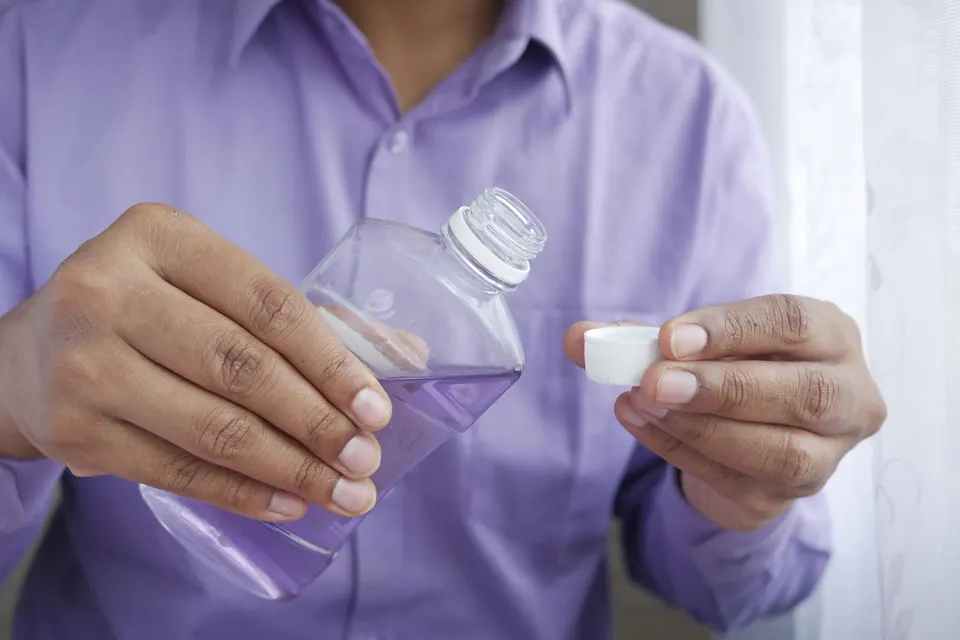
- a gentle, alcohol-free antiseptic mouthwash for a short period limits secondary infection; how to choose one is covered in our article mouthwash: which one to choose;
- a simple painkiller such as paracetamol if needed, at the usual dose.
For severe or very frequent flare-ups, a dentist or doctor may prescribe a stronger local treatment, for example a corticosteroid. Things to avoid completely: putting aspirin directly on the ulcer, alcohol or caustic products, which burn the lining and delay healing.
Signs that mean you should get it checked
The vast majority of ulcers need no examination at all. Do get checked promptly, however, if:
- an ulcer has not healed after two weeks, even if it is painless;
- the sore feels hard to the touch, bleeds easily or is getting bigger;
- it comes with a white or red patch that does not go away;
- the ulcers come with fever, marked fatigue or swollen glands in the neck;
- they are very frequent, almost constant, or getting larger;
- there are also genital, eye or skin lesions, or digestive symptoms;
- the pain stops you drinking or eating, especially in a child or an older person.
A persistent ulcer should always be seen by a professional, because it may be another condition, including, more rarely, a precancerous or cancerous lesion. The risk is higher in smokers and regular drinkers. An early examination is simple and reassuring in most cases.
Dentist or doctor: who to see in Rabat?
For a single ulcer that lingers, a dentist is well placed. At German Dental Clinic in Agdal, the dentist examines the sore and the whole mouth, looks for a mechanical cause (a chipped tooth, a crown with a rough edge, a denture or brace that rubs) and corrects it, checks your gums and, if chronic inflammation is keeping the problem going, suggests gum treatment. If the lesion remains unexplained, you are referred to a specialist in diseases of the oral lining for further examination, sometimes a biopsy.
For recurrent ulcers with other symptoms, your doctor takes over, ordering tests and coordinating with specialists. Swollen gums or a lump on the gum have other causes, explained in our article on swollen, painful gums.
If you live in Rabat and a sore in your mouth is worrying you, you can book an appointment: a quick examination is better than lasting worry.
Frequently asked questions
How long does a mouth ulcer last?
A minor ulcer usually heals by itself within one to two weeks, and the pain often eases after the first few days. Major ulcers can last longer. If an ulcer is still there after two weeks, or is getting bigger, have it examined by a dentist or doctor, even if it does not hurt.
Are mouth ulcers contagious?
No. A mouth ulcer is not a transmissible infection; you cannot catch one by sharing a glass or kissing. The confusion often comes from cold sores, which are contagious and form small blisters on the edge of the lip. If you are unsure what a lesion is, ask for a professional opinion.
Can toothpaste cause mouth ulcers?
In some ulcer-prone people, sodium lauryl sulfate, the foaming agent in many toothpastes, seems to encourage flare-ups. The effect varies from person to person. Trying a toothpaste without it for a few weeks shows whether your ulcers become less frequent, without giving up fluoride.
Why have I had ulcers since I stopped smoking?
This is a known phenomenon: the lining of the mouth, which had adapted to tobacco, reacts to the change, and ulcers can appear in the first weeks. They are usually temporary. It is no reason to start smoking again, as the effects of tobacco on the mouth and gums are far more serious. Mention them to your dentist if they persist.
Should a child with mouth ulcers see a doctor?
A single ulcer in a child who is otherwise well is treated as in adults, with soft food and a gel suited to their age. See a doctor if the child refuses to drink, has a fever, has many sores or spots on the hands and feet, or if the ulcers keep coming back.
The information on this page is general. Only a consultation allows a diagnosis and a suitable treatment plan.
A question about your own situation?
Dr Fenjero Walid sees patients in Agdal, Rabat, for an assessment and answers that fit your case.